Ida Scudder
1870 - 1960"Only those who can see the invisible can achieve the impossible."
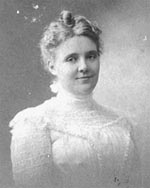
Ida Sophia Scudder was an extraordinary medical missionary and a trailblazer in the field of healthcare in India. Born on December 9, 1870, in Ranipet, Tamil Nadu, India, Ida Scudder dedicated her life to serving the medical needs of the people in the region and became an iconic figure in the realm of healthcare and education. Ida Scudder was the daughter of Dr. John Scudder, a renowned medical missionary, and his wife, Sophia. Growing up, Ida witnessed the immense suffering and lack of medical care faced by women in India due to cultural barriers and limited access to healthcare. These experiences deeply impacted her, igniting a lifelong passion to alleviate their suffering and improve healthcare conditions in the country. In pursuit of her calling, Ida Scudder embarked on a remarkable educational journey. She completed her early education in the United States before returning to India in 1890 to care for her ailing mother. It was during this time that she witnessed a significant turning point in her life. One night, a desperate plea for help came from a neighboring household, where three women were in critical condition but refused treatment from male doctors due to cultural and religious reasons. Tragically, all three women died that night. This incident deeply affected Ida, and she decided to dedicate herself to establishing a medical institution for women in India. Driven by her mission, Ida Scudder enrolled in the Women's Medical College of Pennsylvania, where she received her medical degree in 1899. Equipped with the necessary skills and knowledge, she returned to India and established the first medical college exclusively for women, the Christian Medical College (CMC) in Vellore, Tamil Nadu, in 1900. The college became a pioneering institution that trained countless female doctors, nurses, and healthcare professionals, empowering them to make a difference in the lives of women across the country. Ida Scudder's relentless efforts to improve healthcare went beyond medical education. She established the Mary Taber Schell Hospital in 1902, named after her grandmother, which later evolved into the renowned Vellore Christian Medical Center. The institution provided quality medical care, performed life-saving surgeries, and offered training opportunities to aspiring healthcare professionals. Ida also played a vital role in the eradication of leprosy, the establishment of rural healthcare centers, and the introduction of innovative healthcare programs. Throughout her career, Ida Scudder faced numerous challenges and obstacles. She encountered resistance from traditionalists who opposed the idea of women practicing medicine and faced cultural barriers that often hindered progress. However, her unwavering determination, compassionate nature, and commitment to her mission helped her overcome these challenges and bring about transformative change. Ida Scudder's work and influence extended far beyond the borders of India. She became a prominent advocate for women's rights, public health, and medical education globally. Her efforts were recognized with numerous accolades and honors, including the Kaisar-i-Hind Medal, one of the highest honors bestowed by the British Empire, and the prestigious Ramon Magsaysay Award. Ida Scudder passed away on May 24, 1960, leaving behind a legacy that continues to inspire generations of healthcare professionals. Her vision, commitment, and pioneering spirit transformed the landscape of medical education and healthcare in India, ensuring that countless lives were saved and improved. Today, the Christian Medical College and Hospital in Vellore stands as a testament to Ida Scudder's lifelong dedication and serves as a beacon of hope and healing for millions of people. Her life story remains an inspiration for those who strive to make a difference in the lives of others and is a testament to the power of perseverance, compassion, and the indomitable human spirit.